Blog
What No One Tells You About Photographing Hotels Around the World

Hotel photography’s taken me to some incredible places — from boutique spots in the Caribbean to luxury towers in the Middle East, and just about everything in between.
It’s a job that sounds glamorous from the outside. And sometimes it is. But it’s also early starts, long days, dragging gear through airports, and learning how light behaves in rooms you’ve never seen before.
Still, there’s something about the rhythm of it — the travel, the trust, the people you meet along the way — that keeps pulling me back in.
This post is a bit of a look behind the scenes. Not just at the work, but at the way this life actually feels.
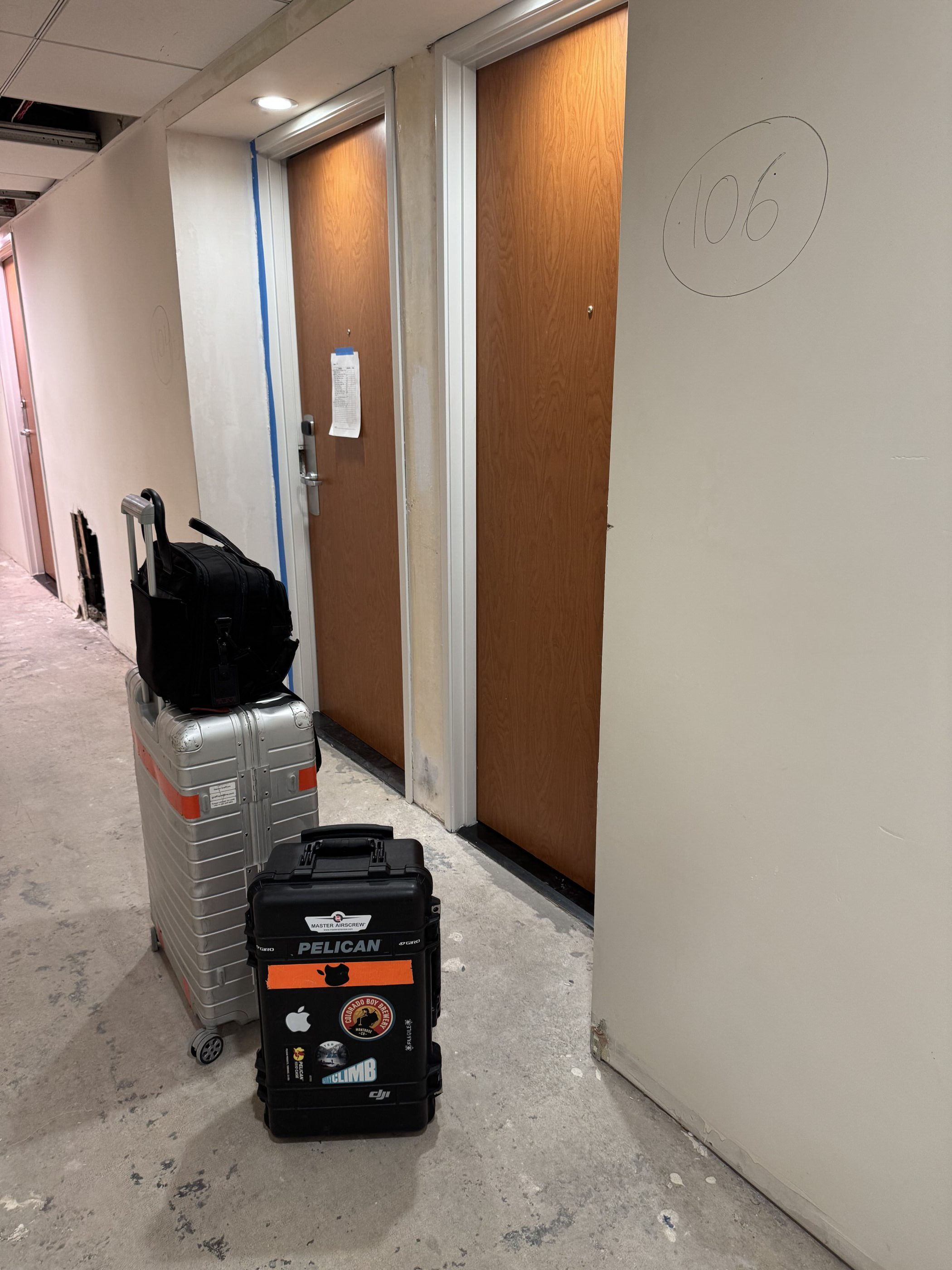
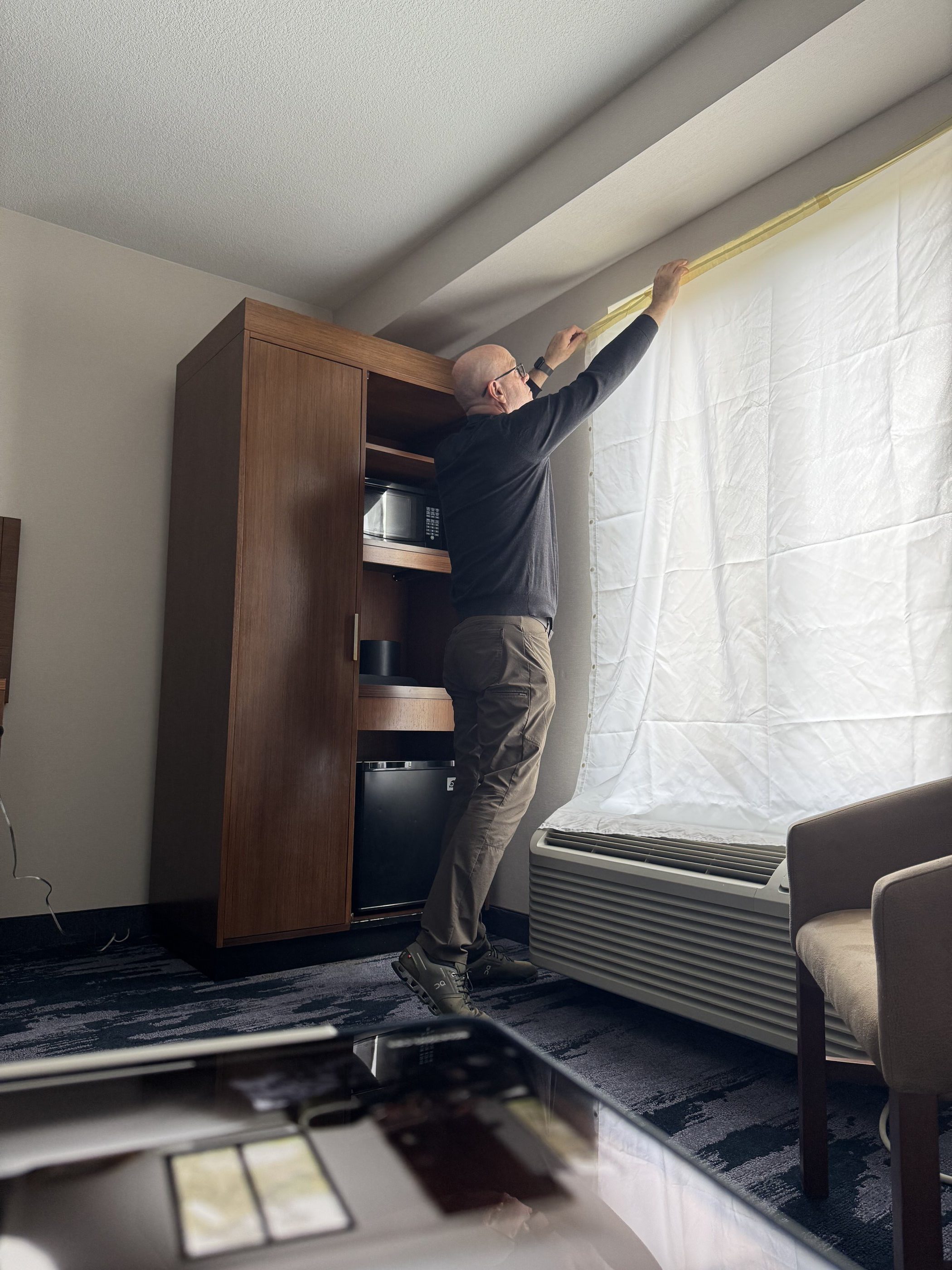
Hotel photography around the world has taken me to some incredible places
From the outside, it all looks pretty polished: five-star rooms, rooftop views, exotic cities. But the reality is much more hands-on — and often, it’s just me, moving fast and solo. There are plenty of times when I’m scouting locations, staging rooms, and troubleshooting on the go, with no crew and no backup. That said, I’ve also had the chance to work alongside some fantastic people on certain jobs.
My long-time friend Steve Bell, also British, has been with me on a number of shoots. We’ve known each other for over 35 years, and there’s something easy and steady about working with someone who just gets it. Kathryn Jones, who joins me on all the HVMG shoots, brings a sharp eye and a calm presence — and she’s brilliant at planning. She works closely with the hotel team to keep the flow of the shoot moving smoothly so I can stay fully focused on the photography itself. That makes a huge difference on multi-day, multi-brand shoots where things need to run smoothly and efficiently. When they’re there, it’s a different kind of rhythm — more collaborative, more refined.
But the reality is, most of the time, it’s me figuring things out on the ground. That balance — between flying solo and syncing up with trusted support — is a big part of what makes this job what it is.
The Rhythm of Hotel Photography Around the World
Every shoot has its own rhythm, and over time, I’ve learned to move with it.
When I’m shooting select service hotels on my own, the days tend to move fast. It’s often just me — sometimes with someone from the hotel brand’s corporate team alongside. That dynamic works well. They’re connected to the hotel but coming in with a wider perspective, which helps keep things moving. There’s usually a clear shot list, and the pace is brisk — efficient, focused, and responsive to changing light.
Luxury shoots are a different experience altogether. The tempo slows, but the intensity steps up. I’ll often have an assistant with me, and we might be working closely with several hotel staff members. The styling is more meticulous, and the expectations higher. These are the gold standard shoots, where every frame needs to feel deliberate and elevated. Fewer shots per day — but more refinement.
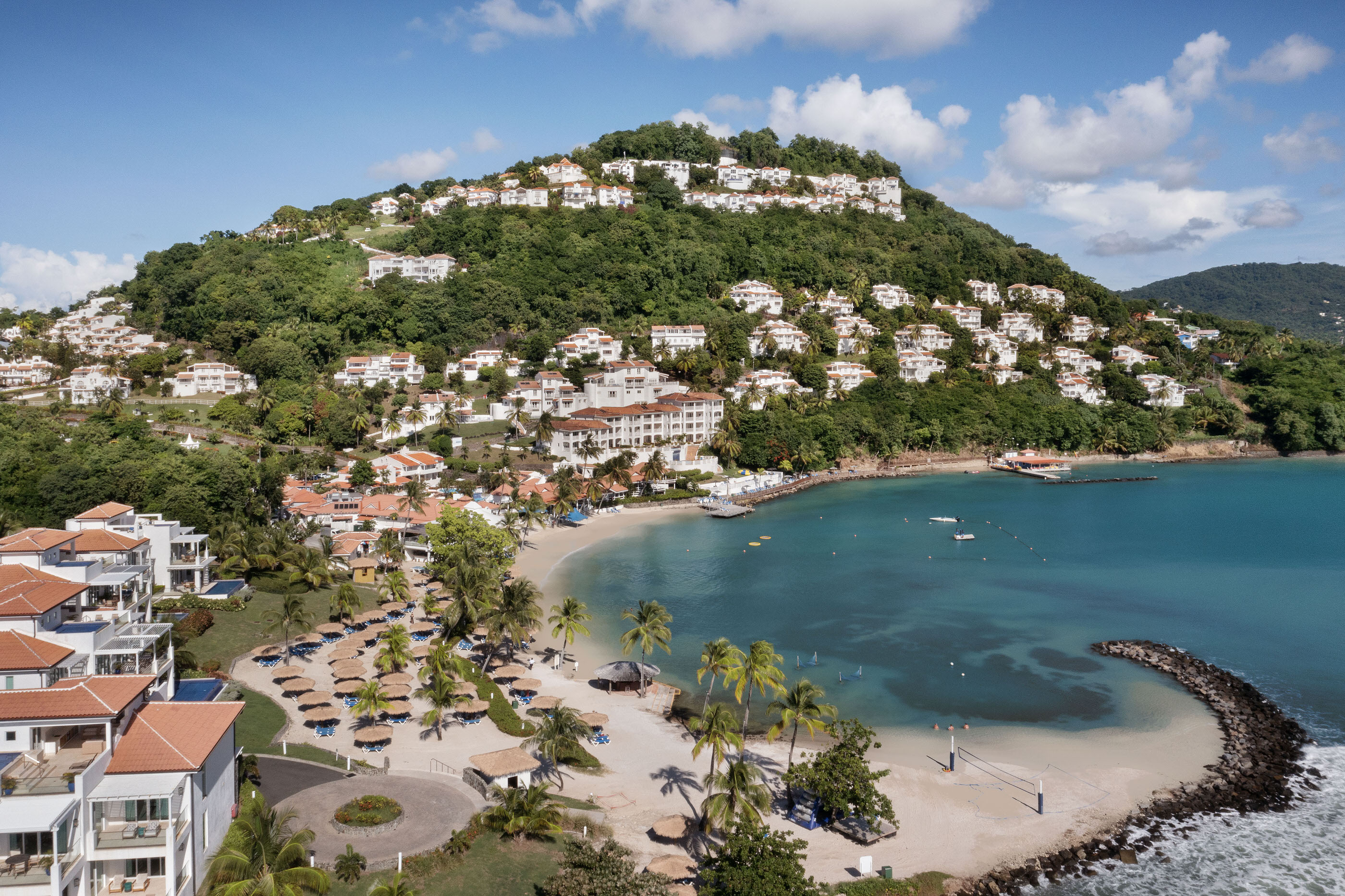
Then there are the big resort shoots, especially in the Caribbean. These tend to be a blend of both worlds. Some shots need to move quickly — to stay ahead of the light or the weather — while others require detailed setups and precise timing to create something truly immersive. These shoots can stretch long — sunrise through blue hour — with a lot of ground to cover.
One detail that surprises people is how many “evening” images are actually captured at dawn. It’s the only way to photograph spaces like bars, restaurants, or pools with perfect light and no people. I’m often out by 05:00am, capturing twilight as the sky shifts — long before guests start their day. It’s one of the quietest, most beautiful windows of time, and it gives the image that calm, composed elegance that feels effortless — even though it’s anything but.


Living Light: Travel, Gear, and Adaptation
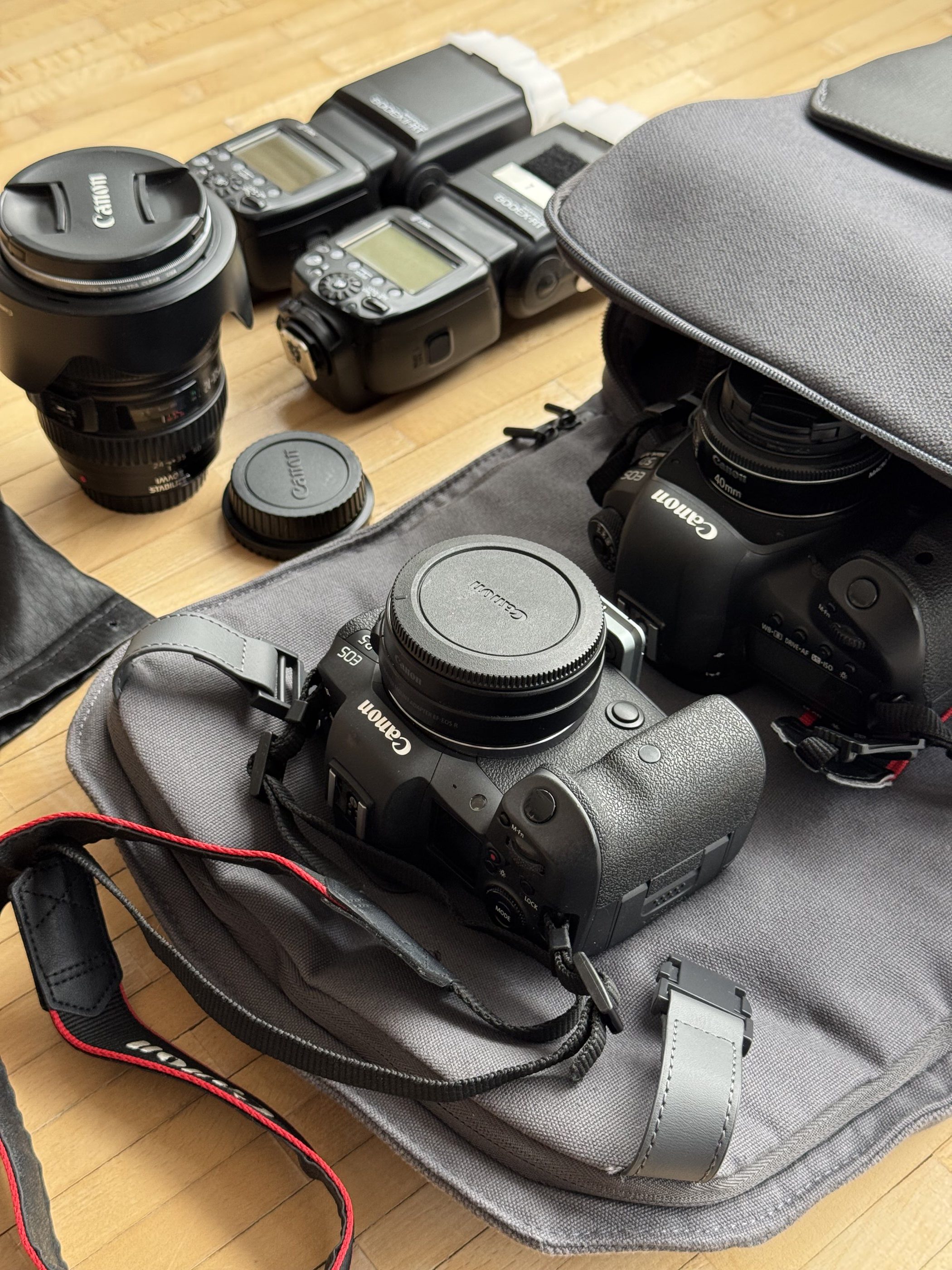
travel light, but smart. My kit’s dialled in — everything earns its place. You have to think like a minimalist with a commercial mindset. It’s not about having all the tools — it’s about having the right ones, and knowing how to make them work under pressure.
That mindset shows up in the small things. Like the way I pack my cables so I can troubleshoot in the dark. Or the backup cards I keep in odd pockets, just in case. When you’re on the road, there’s no margin for forgetting something crucial. That’s why I double-check everything — especially chargers and adapters. Losing power mid-shoot isn’t just inconvenient. It stops the whole process.
I still remember a shoot years ago in Antigua where I arrived without my laptop charger. Total panic. By some miracle, I found a hotel guest with the exact same laptop — a rare coincidence back when every brand had its own charging system. He was a magazine editor in town for the regatta. He lent me the charger. Crisis averted. But that one moment cemented the habit — I don’t rely on luck anymore.
Flights, customs, gear checks — all part of the rhythm now. You learn how to stay calm at border crossings, when something gets flagged, or when a case goes missing for a few hours. Experience gives you a kind of quiet resilience. You figure out workarounds. You get resourceful. You keep moving.
Finding Flow in Foreign Places
Some of my favourite work has happened miles from home. There’s something about being somewhere unfamiliar — the smells, the light, the layout of a street — that sharpens everything.
Even more than that, I feel alive when I’m dropped into a different culture. I first realised it in Cuba, years ago, on a month-long shoot for Virgin Holidays. I had a rental van, a camera, a loose plan, and a lot of time on foot. That changed something for me. Since then, I’ve felt the same thing in places like Kuwait, Oman, different Caribbean islands, and right across Europe. There’s a slight edge to it — a good edge. That sense that you’re properly living, not just moving through the motions.
It’s not just visual. It’s personal. That feeling of stepping outside what you know, and stepping into something real.
And when you’ve got a great local team around you — someone who knows how to stage a room, or move a prop with intent — that’s when the whole thing clicks.
When the Job Becomes the Journey
This work shapes how I experience places. I’m in cities at odd times, often seeing the quietest version of them — just before the day starts, or long after it ends.
I’ve done shoots where the rooftop was empty at dawn, but by evening, it’s full of people. And I’ve had pool setups where we’re racing to catch the last bit of reflected light before the sun ducks behind the building.
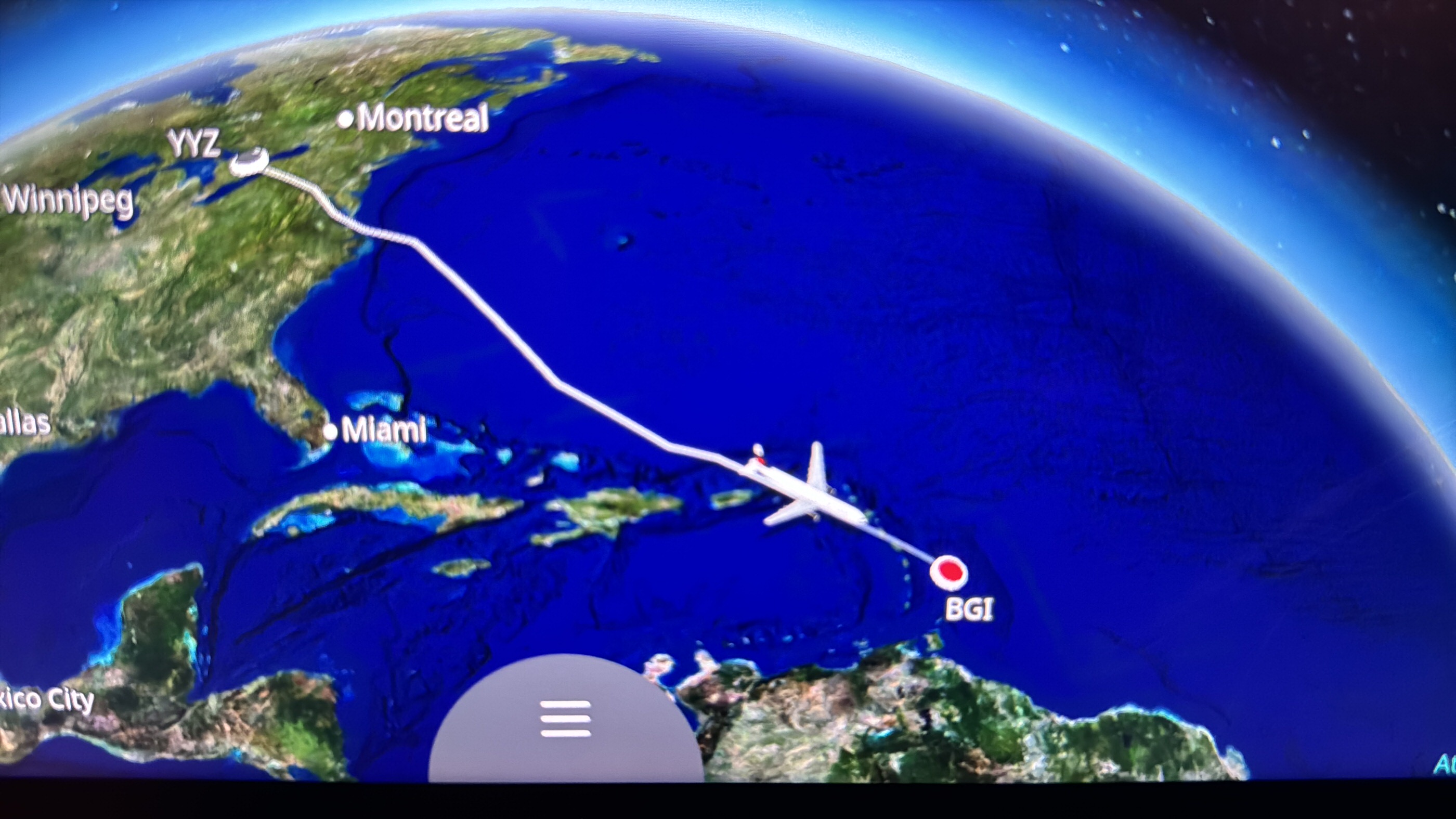
But it’s not just the visuals. It’s the people. In Barbados, I’ve built lasting friendships with clients like Jacqui and Adam and their extended friends like Michelle and Nigel. I’ve been to quiz nights with their friends, shared drinks after long days, and felt like part of the rhythm of the place. I’ve even been on a hike with Patricia (Ocean Hotels) and her Hiking group. Those moments matter. They recharge you.
And then there’s the part that doesn’t show up in the photos — being away from family. Sometimes I’m halfway across the world, 9 hours out of sync, trying to juggle time zones that make even simple check-ins tricky. When I’m in California and they’re in Austria, the overlap is slim. The East Coast gives me a bit more wiggle room, but it’s still not easy.
What helps — and what we’ve found works — is sharing meals over FaceTime. They might be sitting down to dinner while I’m just starting breakfast. But that moment of connection, of syncing up when we’d normally be together at the table, keeps us close.
Meals have always been a pillar in our family life. It’s when everything gets discussed — the small stuff, the big stuff, and everything in between. So when I’m away on longer shoots, keeping that rhythm — even virtually — makes the distance feel a bit smaller.
Why I Still Love It
Every job is a new challenge. There’s no cruise control in this line of work — every property, every brand, every room layout asks something different of you. That’s part of what keeps it interesting. But it’s more than that.
What really keeps me hooked is the relationship between the work and the place. It’s never just about capturing a room — it’s about tuning into the energy of that space, figuring out how to honour its design and function through light and composition. There’s a responsibility in that. You’re translating someone else’s vision. And when it clicks — when the hotel team sees their space reflected back in a way that feels right — it’s a good feeling.
And then there are the personal moments. The unexpected ones. The stillness you find in the middle of nowhere. The desert has a pull for me — Utah, Arizona, New Mexico. The dryness, the clarity, the silence. Those are the places I end up doing personal photography, just for the sake of it. I’ll find myself standing in the wind with a camera, completely alone, completely present. Those moments make the long flights, the repacking, the back-to-back timelines worth it.
It’s not always easy. But it never feels wasted. And for me, that’s everything.
What’s Next
The more I do this work, the more I’ve found myself drawn to — and trusted with — luxury properties. That wasn’t always the focus, but over time, those opportunities have naturally started to grow. The pace is different, the expectations are higher, and the work feels more intentional. It’s something I’ve come to really enjoy.
What’s changed most is how I bring my experience into each shoot. Years of working across different hotel types and regions have helped refine how I approach things — from planning and communication to how I move through a space and respond to light. I’ve become more focused, more considered, and more attuned to the nuances that make a shot feel elevated.
I’ll continue in that direction — leaning into projects that offer space for detail, creative thinking, and the kind of quiet polish that defines high-end hospitality. Whether that’s in Europe, the U.S., or the Middle East — where things are clearly evolving fast — I’m open to where the work leads next.
No big declarations here. Just a sense of direction that feels right — and a continued commitment to doing this work with care, clarity, and curiosity.
Need a photographer who knows how to move with light, culture, and deadlines?
I shoot hotels around the world — and make it feel effortless.