Blog
Hotel Photography Compliance Issues

In this interview, I sat down with Daniel Hart, Hospitality Marketing Editor, to discuss one of the most common and costly pitfalls hotels face today: photography compliance issues. From why images get rejected to how this impacts revenue, we unpack exactly what hotels need to know to avoid expensive mistakes—and how to get it right the first time.
Daniel Hart (Interviewer):
“Steven, you’ve been doing this for over a decade. What’s the biggest reason hotels risk having their photos rejected before they even hit the marketing team’s inbox?”
Steven:
You’ve scheduled the shoot, invested in professional imagery… but without the right preparation, you could be setting yourself up for an expensive disappointment.
For many hotels, this isn’t something they think about until it’s too late. But with the right planning—and the right photographer—you can avoid compliance pitfalls before they ever become an issue.

Daniel:
“Some might say this is just corporate red tape. How do you explain why it really matters?”
Steven:
Compliance isn’t about making your life difficult—it’s about protecting your brand’s visual identity. Major hospitality brands like Marriott and Hilton have strict standards for how their properties are presented. This ensures consistency across the entire portfolio, creating a reliable and recognizable guest experience.
Non-compliant images don’t just miss marketing opportunities—they damage brand trust and, in some cases, lead to expensive reshoots and lost booking opportunities.
And it’s not just about ticking boxes—it’s about capturing the distinct aesthetic of each brand. Every hospitality brand has its own unique look and feel, carefully designed to appeal to a specific market. That aesthetic has to be honored in the imagery.
It’s a delicate photographic skill. It might be a certain composition style or a specific color tone in the final images—slightly warmer honey tones for one brand, cooler blue tones for another. It’s a blend of how the photos are captured and how they’re edited. Choosing the right lenses, knowing when to use a different depth of field, or when to add just a touch of fill flash—all of these decisions play into creating imagery that truly reflects the brand. But I’ll save the technical photography talk for another blog.
If you’re looking to explore how branding shapes the entire guest experience, this hotel branding guide offers valuable insights.
Daniel:
“Give me the top reasons hotels risk rejection—what are they often missing?”
Steven:
- Incorrect Bedding PresentationThe simple question: tucked or untucked? You’d think the brand guidelines would clarify this—but sometimes even they’re contradictory. When it’s unclear, I don’t guess—I reach out directly to the head of brand photography.
- Non-Compliant Room SetupsWrong props, outdated room styling, or décor elements that don’t match brand standards.
- Lighting and Color Temperature IssuesImages don’t match the brand mood—too dark, incorrect warmth, or inconsistent lighting across the set.
- Unauthorized Lifestyle ElementsModels without signed releases or wardrobe choices that clash with brand expectations.
- Technical Specifications Not MetIncorrect resolutions, wrong aspect ratios, missing metadata—easy mistakes but costly ones.
Hotel Photography isn’t about documentation – it’s about capturing the hotel at its absolute best. That image could represent your hotel for years.
Daniel:
“And if things do go wrong… what’s the real cost for the hotel?”
Steven:
You’re not just paying for another photo shoot. The real cost hides under the surface:
- Staff pulled from regular duties to reset spaces.
- Extra personnel brought in to help flip meeting rooms.
- Senior management time wasted overseeing another shoot.
- Delays in marketing campaigns and lost booking windows.
I’ve heard it before: “The last images were rejected by the brand.” That’s about as bad as it gets. And it’s completely avoidable.



Daniel:
“Does compliance have a direct impact on revenue too?”
Steven:
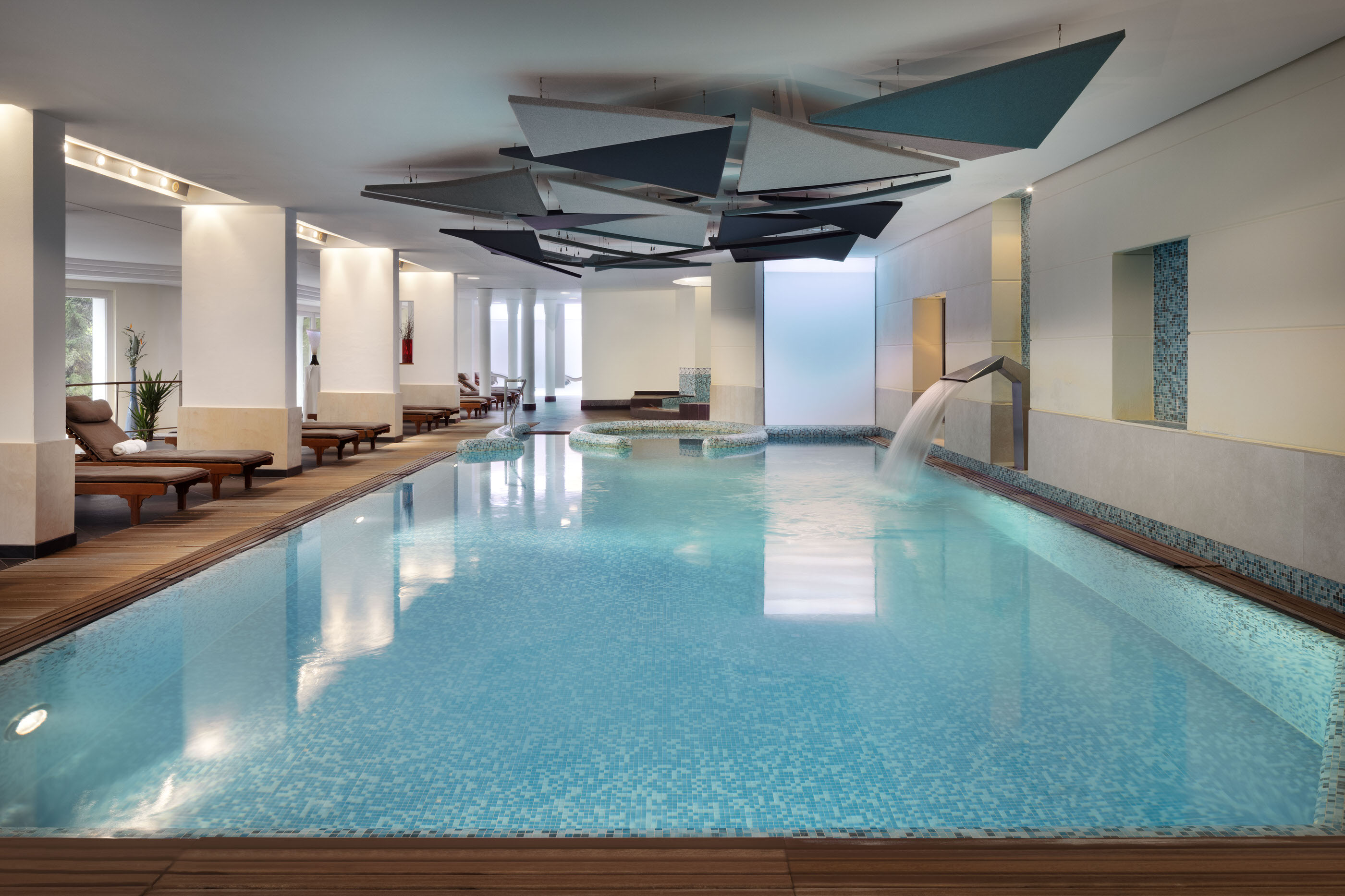
Absolutely. Missing key amenity shots—like the pool or business center—affects brand QA scores, directly impacting your visibility and ranking online.
I recently worked with a client who faced this. They’d done their photography in two phases with another photographer, but the pool wasn’t finished at the time. Later, they asked me, “How are we going to get a photographer to go all the way out there just for one shot?” I looked at my travel schedule and realized I’d be within 50 miles of that property two days later. I adjusted my plans, shot that one final image for them, and now they’re fully compliant—and probably selling more rooms as a result.
Hotels also miss out on upsell opportunities. If you’re charging extra for ocean views, premium rooms, or in-room amenities, you need those visual assets online to support the upsell. Marriott calls this ERS—Enhanced Reservation System. Without the imagery, those upgrades don’t sell as well.
And here’s an insider tip—Marriott is only going to get deeper into this. In the near future, there will be even more requirements tied directly to visual content. Hotels that stay ahead of this will have a clear advantage.


How I Ensure Hotel Photography Compliance from Day One
Daniel:
“So how do you make sure this doesn’t happen under your watch?”
Steven:
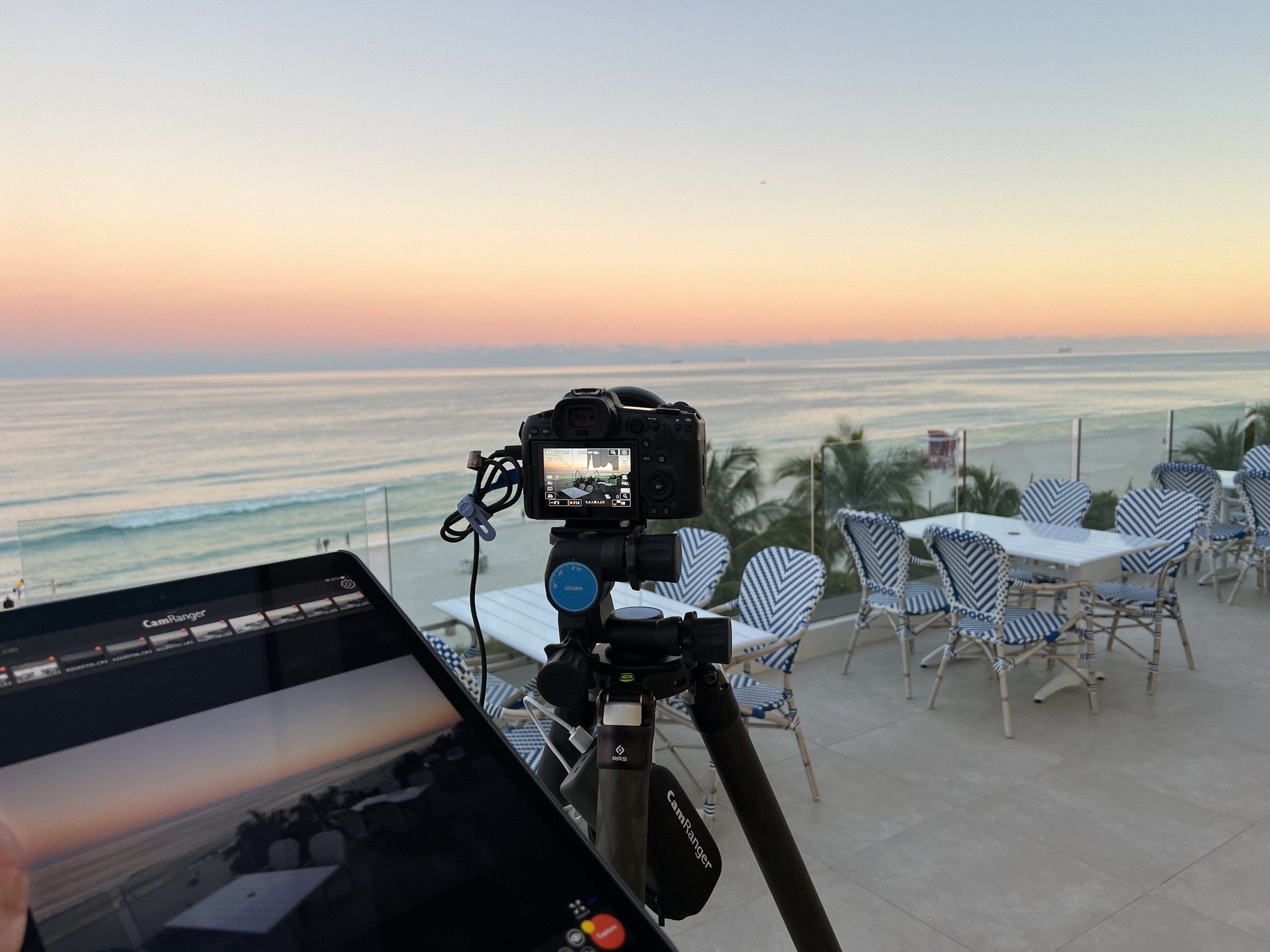
- I conduct a detailed pre-shoot call before I even arrive to review the shot list, discuss brand requirements, and help the hotel team prepare.
- Once on site, the pre-shoot walkthrough becomes the next critical stage. This is where we fine-tune details, make last-minute adjustments to the schedule, and ensure everything runs smoothly.
- I review brand guidelines thoroughly before the shoot. If your team hasn’t seen them, I’ll make sure they have a copy.
- Shot lists are cross-referenced with brand requirements to ensure every image captured counts.
- Final images are delivered ready for submission—no surprises, no rework. And most projects are completed within a two-week turnaround, keeping your marketing timelines intact.
I often hear that the previous photographer was difficult to work with. That’s just not how I operate.
For a detailed checklist on preparing your property for a successful photo shoot, read our guide on How to Prepare a Hotel for a Photo Shoot | 7 Essential Steps.
Life is a journey, and every day should count—including shoot days.
Earlier in my career, I worked directly in tourism operations. I have an innate understanding of how important the guest experience is. When I’m on location, I respect that guests come first. I know how to work around them discreetly and efficiently, ensuring we capture what’s needed without compromising their experience.
When you have the right preparation—and the right photographer—you don’t just avoid compliance headaches; you end up with powerful imagery that works for years to come.

Daniel:
“Final word, Steven—what’s the one thing hotels should remember about compliance?”
Steven:
Avoid the costly back and forth. Work with a photographer who knows the rules—and how to work creatively within them to deliver images that pass the first time.
Ready to future-proof your hotel’s marketing imagery?
Avoid costly reshoots and ensure your photos pass brand compliance the first time.